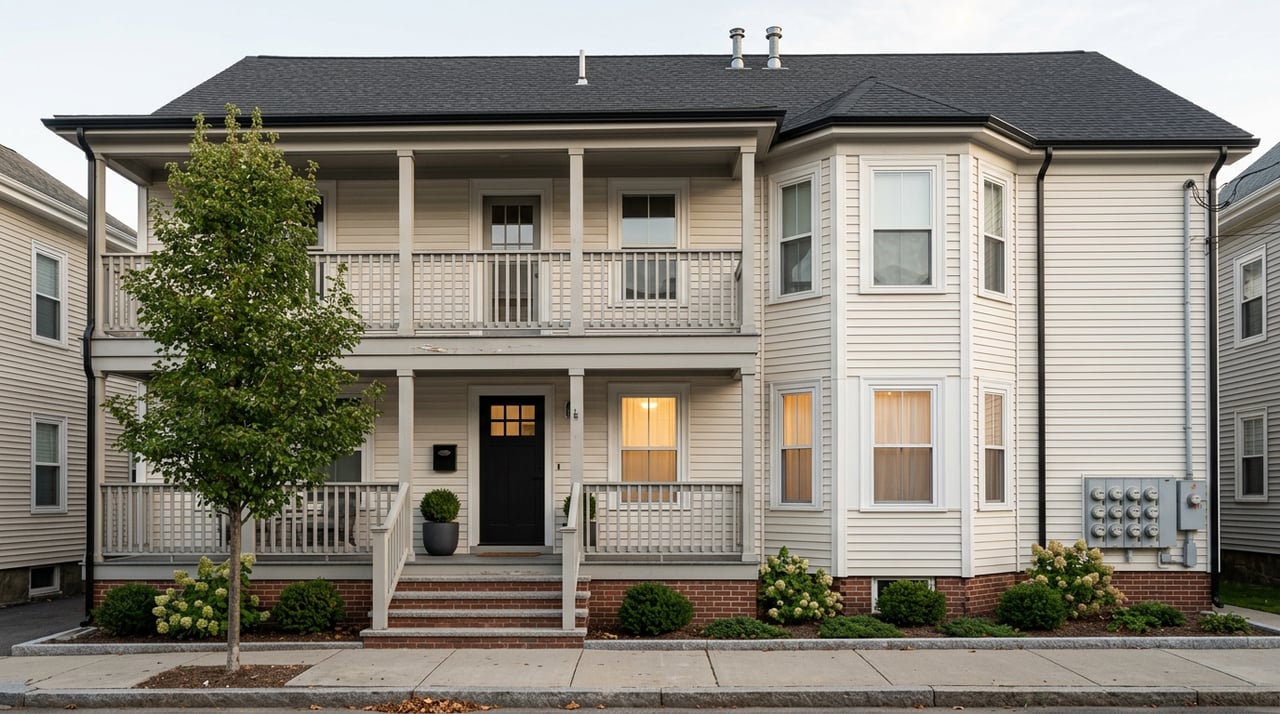
Thinking about house-hacking a classic Boston triple-decker or adding a 2- or 3-family to your portfolio in Dorchester? You are not alone. Multi-units can offer steady cash flow and long-term upside, but success starts with clear due diligence and Boston-specific know-how. In this guide, you will learn how Dorchester buildings are built, what permits and rules to check, how to underwrite rents and expenses, and which inspections matter most. Let’s dive in.
Why Dorchester multi-units stand out
Dorchester is known for its triple-deckers, three-story wood-frame buildings with one home per floor that were built widely from the late 1800s into the early 1900s. They were designed as efficient, family-scale housing and still shape the neighborhood today. If you are new to this housing type, the history and features are a helpful starting point. You can get a quick primer in the short history of Boston’s triple-deckers.
Most older Dorchester multi-families have 2- or 3-bed, 1-bath layouts, separate unit entries, and porches or bays that add light and character. You can expect wood siding, wood porches, and either pitched or flat roofs depending on the block. Renovation history drives a lot of the value and maintenance profile, so focus on what has been updated and what is original. Many buildings from roughly 1880 to 1930 have seen partial upgrades over time.
Condition varies street by street. You will see long-held properties with modest updates and also fully renovated triple-deckers near transit that command higher rents. Your best early signal is recent nearby sales and active listings for similar buildings, then unit-level rental comps within a few blocks.
What to check before you write an offer
Confirm zoning and allowed uses
Start with zoning. Zoning controls what you can do with the property, from unit count to height, FAR, parking, and exterior changes. Use the BPDA tools and the City’s guidance for small multi-family projects to see if expansion or conversion ideas are realistic. Boston’s planning agency maintains a helpful Small Multi-family Guidebook and zoning resources.
Pull permits and violations
Review the City’s permit and violation history to understand what work was completed, who did it, and whether there are open issues. This is where you will spot unpermitted renovations, failed inspections, or outstanding orders that could affect your timeline and budget. Start with the Inspectional Services Department’s public records and permit finder on the ISD homepage.
Verify rental registration and inspection status
Boston requires landlords to register rental units annually. Registered properties are placed on a multi-year inspection cycle, and complaint-driven inspections can happen at any time. Smaller owner-occupied buildings may qualify for certain fee exemptions. Review the City’s rules and process on the rental registration and inspection page before you buy so you know what will be required after closing.
Understand short-term rental rules
If you are thinking about short-term rentals, know that Boston restricts them to certain owner-occupied situations and requires registration or licensing. Pure investor units are generally ineligible. The City has stepped up enforcement to remove illegal listings, including formal agreements with platforms. Read the City’s update on short-term rental enforcement and registry to set expectations.
Check for historic or design review
Parts of Dorchester include historic resources that can trigger exterior design review, especially for visible changes like siding, windows, porches, or rooflines. Always confirm whether your specific block sits within a designated area before planning exterior work. Local histories, such as the Dorchester Atheneum’s King Square overview, provide helpful context that you can pair with guidance from the Boston Landmarks Commission.
Underwriting basics for Dorchester 2- and 3-families
Build block-by-block rent comps
Underwrite your rents by unit type within a few blocks. Compare 2-bed to 2-bed and 3-bed to 3-bed, and note amenity differences like in-unit laundry, renovated kitchens, or proximity to Red Line stations such as Savin Hill, Fields Corner, JFK/UMass, and Ashmont. Transit access tends to shorten days on market and support higher asking rents. Replace broad neighborhood averages with real, recent comps and confirm typical lease-up time.
Expenses and vacancy assumptions
For a quick screening pass, many small multifamily investors use the 50% rule. Estimate that about 50% of gross rent will go toward operating expenses like taxes, insurance, maintenance, management, utilities you pay, and reserves. This is not a final budget, but it helps you screen deals fast.
Vacancy and credit loss often pencils at 5 to 8 percent for well-located, renovated units. If the property has deferred maintenance, weaker demand, or more turnover risk, stress test 8 to 10 percent. Always reality check your assumption with local managers and recent listings.
Include the following expense categories in your pro forma:
- Property taxes based on current assessing and recent tax bills.
- Insurance for multi-family liability, with attention to lead exposure if the building predates 1978.
- Utilities and common-area charges, split by owner-paid versus tenant-paid.
- Routine maintenance, landscaping, snow removal, pest control, and common cleaning.
- Property management if you will not self-manage.
- Legal and accounting.
- Reserves for capital items like roof, porches, heating systems, and exterior paint or siding.
Know that state rules for landlords and lead paint can affect your costs and documentation. Review the Attorney General’s overview of landlord rights and responsibilities and plan for compliance.
A simple screening example
Use this illustration to pressure test a potential triple-decker. Replace every number with your live comps and quotes.
- Assumed rent: three 3-bed units at $3,000 per month each = $9,000 gross scheduled rent.
- Vacancy at 6 percent: subtract $540 per month. Effective gross income = $8,460.
- Operating expenses at 50 percent of gross scheduled rent: $4,500 per month. This covers taxes, insurance, maintenance, owner-paid utilities, management, and reserves.
- Estimated net operating income (NOI): $8,460 minus $4,500 = $3,960 per month.
From here, test your debt service and target DSCR, then run stress scenarios: reduce rents by 5 to 10 percent, increase vacancy by 3 to 5 percent, and add a year-one capital item like a porch or boiler. Talk with a lender and a CPA to match your financing, tax strategy, and reserve planning to your goals.
Inspections and maintenance for triple-deckers
Older wood-frame buildings perform well when you stay ahead of exterior maintenance and systems. During due diligence, have a multi-family experienced home inspector walk the property with you and add specialists as needed.
Focus on these items:
- Roof, gutters, chimneys, and attic ventilation. Roof age and flashing details often drive near-term capital needs.
- Porches and exterior stairs. Triple-decker porches are a safety and code priority, so look closely for rot, wobbly railings, and ledger issues.
- Heating and hot water. Identify whether heat is by central boiler or unit furnaces, and check the age, service history, and venting.
- Plumbing stacks and supply lines. Single shared stacks are common in older buildings; note any leaks, slow drains, or patchwork repairs.
- Electrical panels and wiring. Confirm amperage, grounding, and whether any knob-and-tube remains. Separate meters are a plus.
- Basement and drainage. Look for water intrusion, efflorescence, mold, or sump pumps. Grade and downspout fixes can solve recurring moisture.
- Windows and insulation. Energy upgrades can reduce owner-paid utilities and improve comfort.
If the property predates 1978, lead paint rules apply. Plan your disclosures, possible deleading or abatement work, and recordkeeping. Get familiar with the state’s guidance on lead poisoning prevention and control.
Turnover has a cost. Budget for cleaning, paint touch-ups, minor repairs, lock changes, and marketing between tenants. Ask local managers for typical per-unit turnover ranges for Dorchester and bake a realistic turnover allowance into your vacancy and reserves.
Seasonal contracts help smooth operations. Consider annual heating tune-ups, snow and ice services, landscaping, and periodic pest control. For larger capital jobs like porch rebuilds, roofing, or deleading, obtain multiple bids from licensed, insured contractors who know triple-decker construction.
Due diligence checklist
Use this short list to stay organized before you close:
- Confirm zoning and allowed uses, including parking and height limits, with the BPDA small multi-family resources.
- Pull ISD permit and violation history, and confirm any open orders on the ISD site.
- Verify rental registration status and any scheduled inspection on the City’s rental registration and inspection page.
- Obtain assessing data and recent tax bills to estimate the property tax line item.
- Hire a building inspector experienced in multi-family; add a structural engineer if you see foundation movement, chronic water issues, or porch concerns.
- Confirm lead paint status and required disclosures using the state’s lead law overview.
- Get insurance quotes that reflect multi-family liability and any lead or tenant risk.
- Request 12 months of utility history for water, gas, and electricity.
- Ask for current leases, a rent roll, and security deposit records; verify any tenant complaints.
- If you plan major renovation or a conversion, schedule a preliminary conversation with ISD about permits and any design review that might apply.
Work with a local, investor-savvy team
Buying a Dorchester multi-unit rewards careful prep and local expertise. You will move faster and with more confidence when your team includes a Boston-focused broker, an inspector who knows triple-deckers, a landlord-tenant attorney, a CPA, and a reliable property manager. If you want hands-on help with underwriting, rental strategies, contractor coordination, and smooth tenant placement, our boutique team is here for you.
Ready to explore 2- and 3-family opportunities in Dorchester and across Boston with a high-touch, investor-aware approach? Connect with Joyce Lebedew to get a clear plan and start strong.
FAQs
What is a triple-decker in Dorchester?
- A triple-decker is a three-story wood-frame building with one home per floor, common in Dorchester’s late-19th and early-20th-century housing stock and detailed in the history of Boston’s triple-deckers.
Are short-term rentals allowed in Boston multi-units I buy in Dorchester?
- Boston limits short-term rentals to specific owner-occupied situations and requires registration; review the City’s short-term rental enforcement and registry update before planning on this income.
Do I need to register my Dorchester rental with the City of Boston?
- Yes, landlords must register rental units annually and properties are inspected on a cycle; see the City’s rental registration and inspection guide.
How should I estimate vacancy for Dorchester 2- and 3-families?
- Many investors underwrite 5 to 8 percent vacancy and credit loss for well-located, renovated units and stress test 8 to 10 percent for older stock or softer micro-locations.
What inspections matter most when buying a Dorchester triple-decker?
- Prioritize roof and porches, heating and hot water systems, plumbing stacks, electrical panels and wiring, basement drainage, and window and insulation performance.
How do historic or design rules affect my renovation plans in Dorchester?
- Certain blocks fall within historic or conservation areas where exterior changes may need review; pair local context like King Square with guidance from City landmarks staff before designing work.
