Trying to choose between South Boston and Dorchester for your next condo? If you are weighing budget, commute, building style, and day-to-day lifestyle, this decision can feel bigger than it looks on paper. The good news is that each neighborhood offers a distinct path for condo buyers, and understanding those differences can help you focus your search with more confidence. Let’s dive in.
South Boston vs Dorchester at a Glance
South Boston and Dorchester are both Boston neighborhoods, but they often appeal to buyers for different reasons. South Boston is a compact peninsula with a tighter urban feel and a strong concentration around East and West Broadway. Dorchester is much larger, with many sub-neighborhoods, a longer waterfront edge, and more variation from one section to the next.
For condo buyers, that usually translates into a more uniform, higher-priced market in South Boston and a broader range of options in Dorchester. If you want a neighborhood that feels more predictable block to block, South Boston may stand out. If you want more flexibility in price point, layout, and setting, Dorchester often gives you more to compare.
Condo Inventory: What You Will Actually See
South Boston condo stock
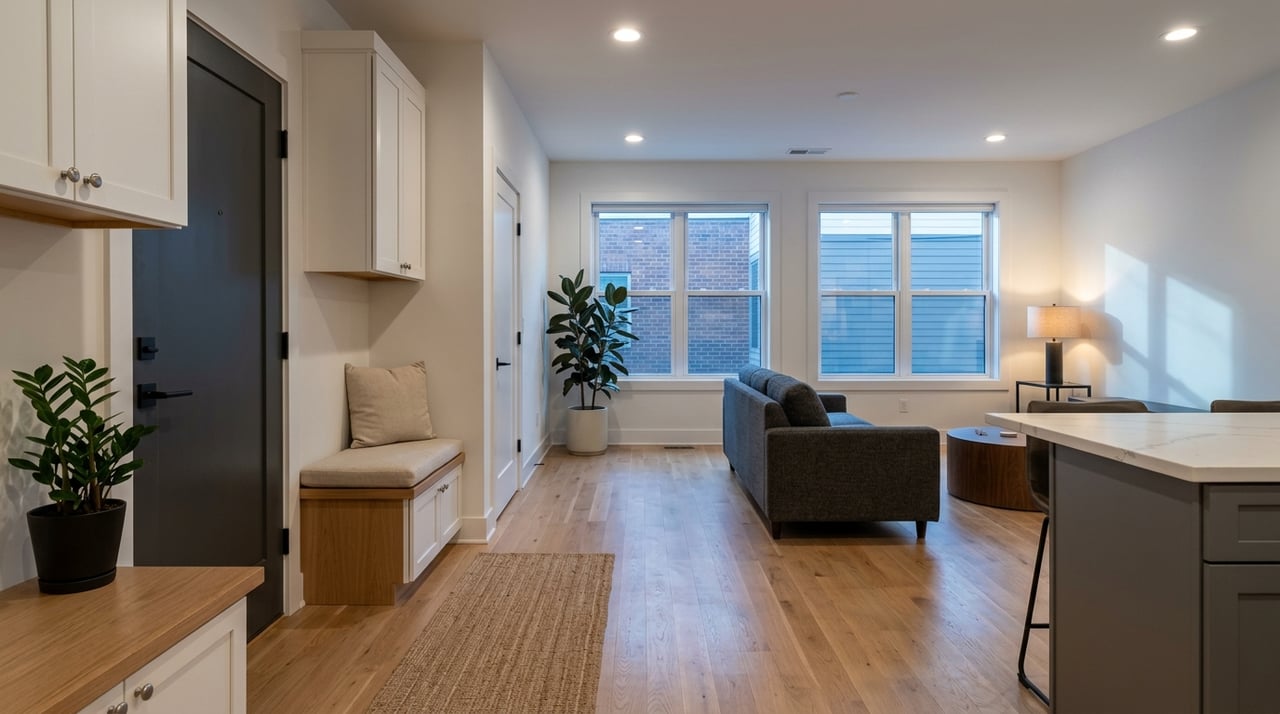
South Boston’s condo market leans toward newer and more expensive inventory, especially near the waterfront. The area includes newer condo buildings, apartment-style residences, lofts in former warehouses, and other modern housing types. That mix can appeal to buyers who want updated finishes, elevator buildings, or a more polished, turnkey feel.
Because of that inventory, South Boston often attracts buyers looking for a premium urban condo experience. You may find more newer-build options here than in many parts of Dorchester. In practical terms, that can mean higher prices, but also a more modern product.
Dorchester condo stock
Dorchester’s housing stock is still strongly shaped by triple-deckers. That matters for condo buyers because many units are in smaller residential buildings rather than larger, newer waterfront developments. The neighborhood also has some smaller condo projects in the pipeline, but its condo landscape still tends to feel more neighborhood-scale than South Boston’s newer pockets.
If you like the idea of more traditional Boston housing stock, Dorchester may feel like a better fit. The variety is wider, and the inventory can look very different depending on where you search. One block may feel completely different from the next.
Price Difference: South Boston vs Dorchester
For many buyers, price is where the contrast becomes clearest. March 2026 Redfin neighborhood data shows a median sale price of $1.05M in South Boston compared with $725K in Dorchester. That data covers all home types, not condos only, but it still offers a useful snapshot of the gap buyers are likely to notice.
Recent sales reinforce the same trend. In South Boston, recent two-bedroom sales included units at $675K and $730K, with other closings well above $1M. In Dorchester, recent sold units included two-bedroom condos at $367.5K, $411K, $565K, and $580K, plus a three-bedroom unit at $575K.
That spread suggests a simple takeaway: Dorchester usually offers more entry points for condo buyers, while South Boston often commands more for similar bedroom counts and location advantages. If your budget has some stretch but not unlimited flexibility, Dorchester may open more doors.
Commute and Transit Comparison
South Boston commute patterns
South Boston is often attractive to buyers who want a shorter routine into downtown. Many buyers focus on access to the Broadway and Andrew Red Line stations, and downtown is only a few stops away. South Boston also benefits from access to South Station for commuter rail connections.
That said, driving is not always as quick as the map suggests. A two-mile drive can take anywhere from 10 to 25 minutes, depending on traffic. If your daily routine depends on speed and consistency, it helps to think beyond distance alone.
Dorchester commute patterns
Dorchester offers a wider transit menu, including multiple Red Line stops and the Fairmount Line commuter rail. That range can be a real advantage if you are choosing a home based on how you actually move through the city. But because Dorchester is so large, the commute experience can vary a lot by sub-neighborhood.
In other words, Dorchester can work very well for commuting, but location selection matters more. One area may feel convenient for your routine, while another may add more time than expected. That is why a block-by-block search matters here.
Lifestyle and Daily Feel
What South Boston feels like
South Boston offers a compact waterfront neighborhood feel with easy access to outdoor spots like Carson Beach, L Street Beach, Pleasure Bay, the Strandway, and Medal of Honor Park. The neighborhood is also known for a busy restaurant and bar scene, especially on weekends. For many buyers, that creates a lifestyle that feels active, social, and close to the water.
If you want your condo search to include newer buildings, waterfront access, and a dense neighborhood rhythm, South Boston checks a lot of boxes. It tends to suit buyers who want a more concentrated live-work-play environment. Much of the appeal comes from having many destinations close together.
What Dorchester feels like
Dorchester offers a more varied lifestyle because it includes multiple commercial and residential pockets. Areas around Dorchester Avenue, Fields Corner, Ashmont Station, Adams Village, the Polish Triangle, and Upham’s Corner each bring a different feel. The neighborhood also offers major recreation options such as Franklin Park, Pope John Paul II Park, Malibu Beach, and Tenean Beach.
That variety can be a big strength if you want choices. Dorchester’s dining scene is spread across several hubs, including Fields Corner’s Vietnamese restaurant cluster and other established local pockets. Instead of one central feel, you get a neighborhood with multiple centers of activity.
Which Neighborhood Fits Your Priorities?
Choosing between South Boston and Dorchester often comes down to what matters most in your daily life. Neither option is universally better. The better choice is the one that matches your budget, routine, and preferred condo style.
Here is a simple way to frame it:
South Boston may be the better fit if you want:
- A more compact urban setting
- Newer or more premium condo inventory
- Easier access to downtown Boston
- A waterfront-oriented lifestyle
- A neighborhood with a more consistent market feel
Dorchester may be the better fit if you want:
- More space for the money
- A wider range of condo price points
- Traditional triple-decker style housing options
- More neighborhood variety within one Boston district
- Flexibility to compare several distinct submarkets
What Condo Buyers Should Watch Closely
No matter which neighborhood you choose, it helps to compare more than list price. In South Boston, you may be paying more for newer inventory, location, and a tighter neighborhood footprint. In Dorchester, the value may come from more pricing flexibility and a broader mix of unit types.
As you tour condos, pay close attention to the building style, exact location, and how each home fits your routine. In Dorchester especially, the sub-neighborhood can shape your experience as much as the condo itself. In South Boston, the premium often reflects both the product and the setting.
Final Takeaway for Boston Condo Buyers
If your top priorities are a shorter downtown routine, newer inventory, and a compact urban environment, South Boston is often the stronger match. If your goal is to maximize budget, compare a wider range of options, and explore several different neighborhood settings, Dorchester usually offers better value. The right answer depends on what you want your next chapter to look like every day.
If you want help narrowing the search, comparing condo options, and understanding which South Boston properties truly match your lifestyle and budget, connect with Joyce Lebedew for a personalized consultation.
FAQs
What is the main difference between South Boston and Dorchester for condo buyers?
- South Boston is generally a tighter, higher-priced condo market with more newer inventory, while Dorchester offers more price variation, more traditional housing stock, and a broader range of sub-neighborhood options.
Is South Boston more expensive than Dorchester for Boston condo buyers?
- Yes. March 2026 neighborhood data showed a median sale price of $1.05M in South Boston versus $725K in Dorchester, which reflects a clear pricing gap even though the figures include all home types.
Does Dorchester offer better value for first-time condo buyers in Boston?
- In many cases, yes. Recent sold units in Dorchester showed more entry-level price points for two-bedroom condos than South Boston, which can give buyers more flexibility.
Is South Boston better for commuting to downtown Boston?
- South Boston is often appealing for a shorter downtown routine because of Broadway and Andrew station access and connections near South Station, though traffic can still affect driving times.
What kinds of condos are common in Dorchester?
- Dorchester condo inventory is often shaped by triple-decker housing stock, along with some smaller condo developments, so buyers may see more traditional Boston-style residential options.
What kinds of condos are common in South Boston?
- South Boston often features newer and more expensive condo inventory, especially near the waterfront, including newer buildings, loft-style spaces, and other modern unit types.
How should you choose between South Boston and Dorchester as a condo buyer?
- Start with your budget, commute needs, and preferred building style. South Boston often fits buyers seeking newer, premium inventory in a compact setting, while Dorchester usually fits buyers looking for more variety and more space for the money.
