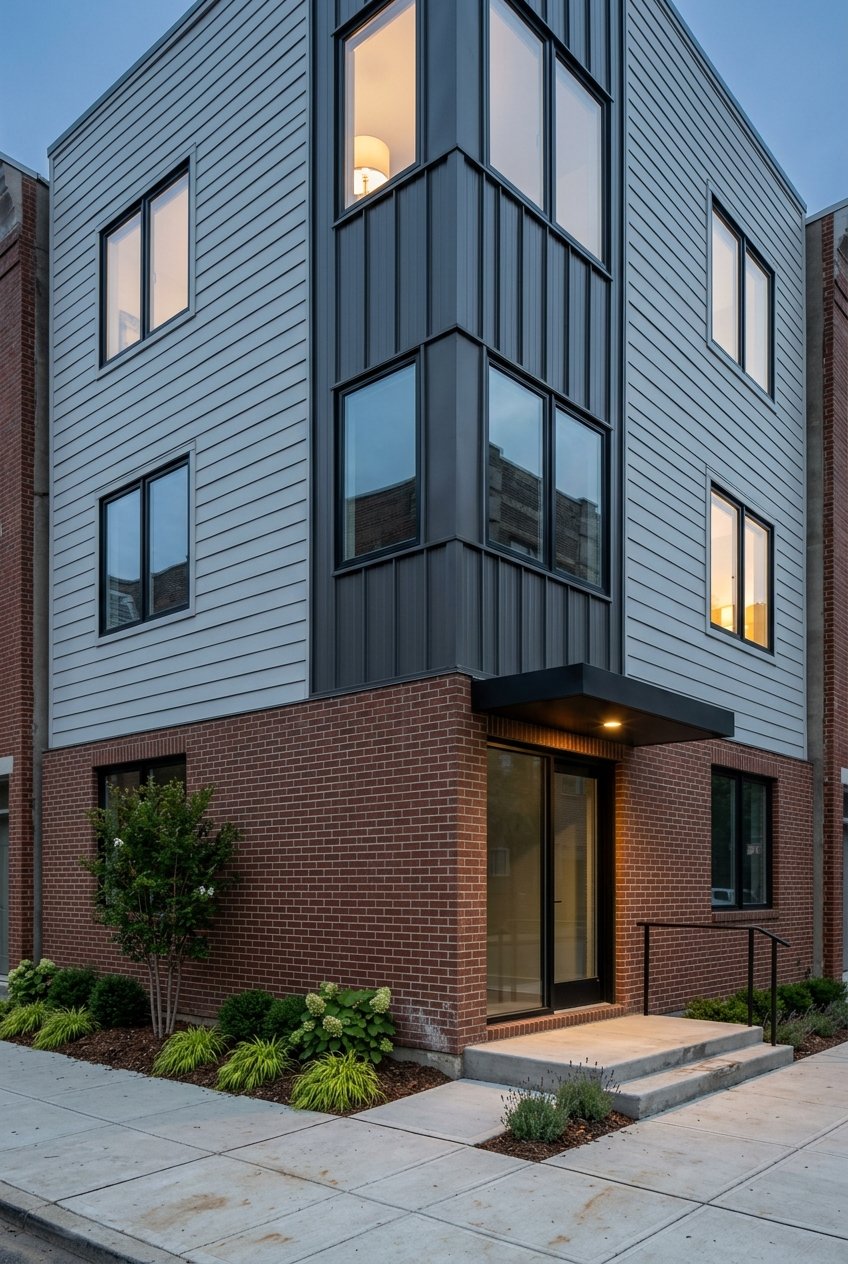
Buying a brand-new condo in South Boston can feel like the easy choice. Everything is fresh, clean, and built for modern living. But new construction does not mean risk-free, especially in a neighborhood where flood exposure, city approvals, and condo documents can shape your costs and day-to-day experience long after closing. If you want to buy with confidence, you need to look past the finishes and evaluate the full picture. Let’s dive in.
Start With South Boston Flood Risk
In South Boston, flood risk belongs on your condo checklist from day one. Boston identifies the city as highly flood-vulnerable, and South Boston is part of the city’s active coastal resilience planning.
That matters even if a building does not seem obviously exposed. Boston notes that many flood insurance claims can come from areas outside mapped high-risk zones, so you should not rely only on a flood map when evaluating a new construction condo.
Ask About Flood Zone Status
If you are considering a waterfront or low-lying building, ask whether the property is in a flood zone or flood hazard district. You should also ask whether flood insurance is required, recommended, or already part of the building’s planning.
Flood insurance is separate from standard homeowners coverage. That makes it important to understand early, because it can affect your monthly costs and your comfort level with the property.
Look For Resilience Features
In flood-prone settings, practical building details matter. Boston highlights flood-resistant materials, elevated structures, and elevated mechanical systems as important resilience tools.
When you tour the property, ask where the heating, cooling, hot water, and electrical systems are located. If these systems are protected or elevated, that can be a meaningful part of the building’s overall design.
Verify Floodplain Documentation
For projects in Boston’s flood hazard district, ask whether an elevation certificate or as-built flood certificate is available. Boston’s Certificate of Occupancy checklist includes this documentation for certain floodplain projects.
This is one of those details that may not show up in a glossy brochure, but it can tell you a lot about how carefully the project was completed and documented.
Check The Builder And Permit Trail
A polished model unit is helpful, but it should not be your only source of information. In Boston, one of the clearest ways to evaluate a new construction condo is to review the project’s permit and occupancy history.
Boston requires permits for new construction, along with zoning and building review before approval. The city also allows historical permit records to be searched by address, which gives buyers a concrete way to confirm what happened on the site.
Review Permits By Address
Start with the building’s permit history. You want to understand whether the project moved through approvals smoothly or whether there were repeated corrections, permit extensions, or a long closeout period.
A clean permit trail does not guarantee perfection, but it can help you verify the scope of work and see whether the project followed the expected process.
Confirm Final Sign-Offs
For a finished building, ask whether the Certificate of Occupancy has been issued and whether final inspections were signed off. In Boston, residential occupancy involves Inspectional Services and input from the Boston Fire Department.
This matters because the unit is not just being marketed as complete. It should also be properly approved for occupancy through the city’s process.
Ask About The Team Behind The Project
You should also ask practical questions about the builder and general contractor. How many similar projects have they completed, and what does their closeout process look like?
In Massachusetts, some new construction and larger buildings may fall outside typical home-improvement contractor rules, which makes references, prior project quality, and documentation even more important.
Evaluate The Unit Beyond The Finishes
A new kitchen and bright windows can make a great first impression, but daily livability is what you will actually live with. Massachusetts makes clear that a home inspection is visual and limited, so your own walk-through still matters.
Think about how the unit will function on an ordinary weekday, not just during a showing. That mindset can help you spot strengths and tradeoffs that glossy marketing materials may not show.
Test The Layout In Real Life
Look closely at storage, furniture placement, and traffic flow. Ask yourself whether the room sizes fit your routine, whether the window placement works for natural light and privacy, and whether the floor plan feels efficient.
If you work from home, host often, or need room for pet gear, these details matter. A stylish layout is not always the same thing as a practical one.
Ask What Is Standard Vs. Upgrade
With new construction, not every finish you see may be included in the base price. Ask for a clear breakdown of what is standard, what counts as an upgrade, and what materials were used in the final build.
This is also a good time to ask about durability. Attractive finishes are great, but surfaces that hold up well to everyday wear can be even more valuable over time.
Consider Sound And Shared Walls
Condo living is not just about what is inside your front door. During your visit, pay attention to sound transfer, hallway noise, and how the unit sits within the building.
A home inspection is not a substitute for noticing how the space feels in person. If possible, spend enough time in the property to get a realistic sense of the environment.
Ask Smart Questions About Energy Performance
Energy efficiency should be more than a buzzword in a new construction condo. Massachusetts has a base energy code and an opt-in stretch code, and Boston’s Certificate of Occupancy checklist may require energy-related documents for some projects.
That gives you a reason to ask for specifics rather than broad claims. Clear answers can help you estimate comfort, maintenance, and operating costs.
Request Key Energy Details
Ask about insulation, air sealing, window specifications, and the type of HVAC system installed. If HERS documentation or an energy-bypass checklist is available, ask to review it.
These details can help you understand how the building was put together and whether the unit is likely to perform well across Boston’s seasons.
Read The Condo Documents Early
With new construction condos, the building matters and the association matters just as much. In Massachusetts, condo ownership is largely driven by recorded documents, including the master deed, bylaws, trust documents, and rules and regulations.
These documents can affect your monthly costs, maintenance responsibilities, insurance requirements, voting rights, and daily use of the property. In other words, a beautiful unit can still come with rules or financial obligations that do not fit your goals.
Request The Core Condo Package
A strong document review should include:
- Master deed
- Bylaws
- Rules and regulations
- Annual budget
- Reserve study, if available
- Meeting minutes
- Insurance summary
- Recent special assessments
- Pending litigation information
- Owner-occupancy data
- Any 6(d) certificate or similar closing document showing fee status
Reviewing these materials early can help you avoid surprises near closing.
Focus On Fees, Reserves, And Assessments
Massachusetts law requires common expense assessments to be made at least annually based on an annual budget. That makes the budget and reserve picture especially important when you are trying to understand whether condo fees seem sustainable.
If reserves are thin or the association has a history of special assessments, future costs may be less predictable. Even in a new building, this is worth reviewing carefully.
Understand How Rules Affect Daily Life
Rules and regulations can shape how you use the property. They may address pets, move-in procedures, guest expectations, leasing restrictions, and use of common areas.
That is why early review matters. The association’s policies can influence both your day-to-day experience and your future flexibility if your plans change.
Know The Difference Between Pre-Construction And Move-In Ready
Not all new construction purchases carry the same level of certainty. Buying before substantial completion is different from buying a unit that is already finished and ready for occupancy.
The earlier you buy, the more you are relying on plans, specifications, sample finishes, and promised timelines. That can work well, but it also requires a more careful review of what is being promised.
Pre-Construction Requires More Paper Review
With a pre-construction purchase, you may not be able to inspect the final product yet. That makes the plans, specifications, finish schedules, warranty terms, and delivery expectations much more important.
Massachusetts says pre-completion sales of newly constructed homes may qualify for a limited inspection-rule exemption if construction is not yet substantially complete and the seller offers at least a one-year written warranty covering systems and structural integrity. If you are buying early, confirm exactly what the warranty covers, when it begins, and how punch-list issues will be handled.
Move-In Ready Lets You Verify The Real Product
With a completed unit, you can inspect the actual layout, finish quality, appliances, storage, common areas, and overall condition. You can also compare the final product to the marketing materials and ask for occupancy-related documentation.
In many cases, that added visibility gives you more certainty. You are evaluating what exists, not just what is planned.
Use Inspections As One Tool
A home inspection is still useful for a new construction condo, but it should be treated as one part of your overall due diligence. Massachusetts says a home inspection is not an appraisal, not a code inspection, and not a guarantee that no defects exist.
That is why the strongest approach combines inspection results with document review, permit verification, flood-risk questions, and a careful in-person walk-through.
A Practical South Boston Condo Checklist
If you want a simple way to stay organized, focus on these key questions:
- Is the building in a flood zone or flood hazard district?
- Is flood insurance required or recommended?
- Are floodplain documents, such as an elevation certificate, available if relevant?
- Can you verify the permit history by address?
- Has the Certificate of Occupancy been issued, with final sign-offs completed?
- Who is the builder and general contractor, and how many similar projects have they completed?
- What is included in the unit, and what was upgraded?
- What energy-performance details and documentation are available?
- What does the builder warranty cover, and when does it start?
- What do the condo documents say about fees, reserves, rules, and assessments?
When you use this checklist, you move from admiring a new space to evaluating it like a well-informed buyer.
South Boston offers exciting opportunities in new construction, but the best purchases usually come from a calm, detail-focused process. If you want local guidance on how to compare buildings, review what matters, and find a condo that fits your lifestyle, Joyce Lebedew can help you navigate the process with the kind of neighborhood insight and hands-on support that makes a real difference.
FAQs
What should you review before buying a new construction condo in South Boston?
- You should review flood risk, permit history, Certificate of Occupancy status, builder reputation, warranty coverage, unit livability, energy details, and the full condo document package.
How do you verify a South Boston new construction condo was properly approved?
- You can review the project’s Boston permit history by address and confirm that final inspections and the Certificate of Occupancy were completed for the building.
Why does flood risk matter for new construction condos in South Boston?
- Boston identifies South Boston as part of its coastal resilience planning, and flood exposure can affect insurance needs, building design, documentation requirements, and long-term ownership costs.
What condo documents matter most for a new construction condo in Massachusetts?
- Key documents include the master deed, bylaws, rules and regulations, annual budget, reserve information, meeting minutes, insurance summary, special assessment history, and fee-status documents used at closing.
How is buying a pre-construction condo different from buying a finished condo in South Boston?
- A pre-construction purchase depends more on plans, specifications, timelines, and written warranty terms, while a finished condo lets you inspect the actual unit, common areas, and completion status before closing.
Is a home inspection still worth it for a new construction condo in Massachusetts?
- Yes. A home inspection can still be useful, but Massachusetts makes clear that it is limited in scope, so it should be combined with document review, walk-throughs, and project-level due diligence.
