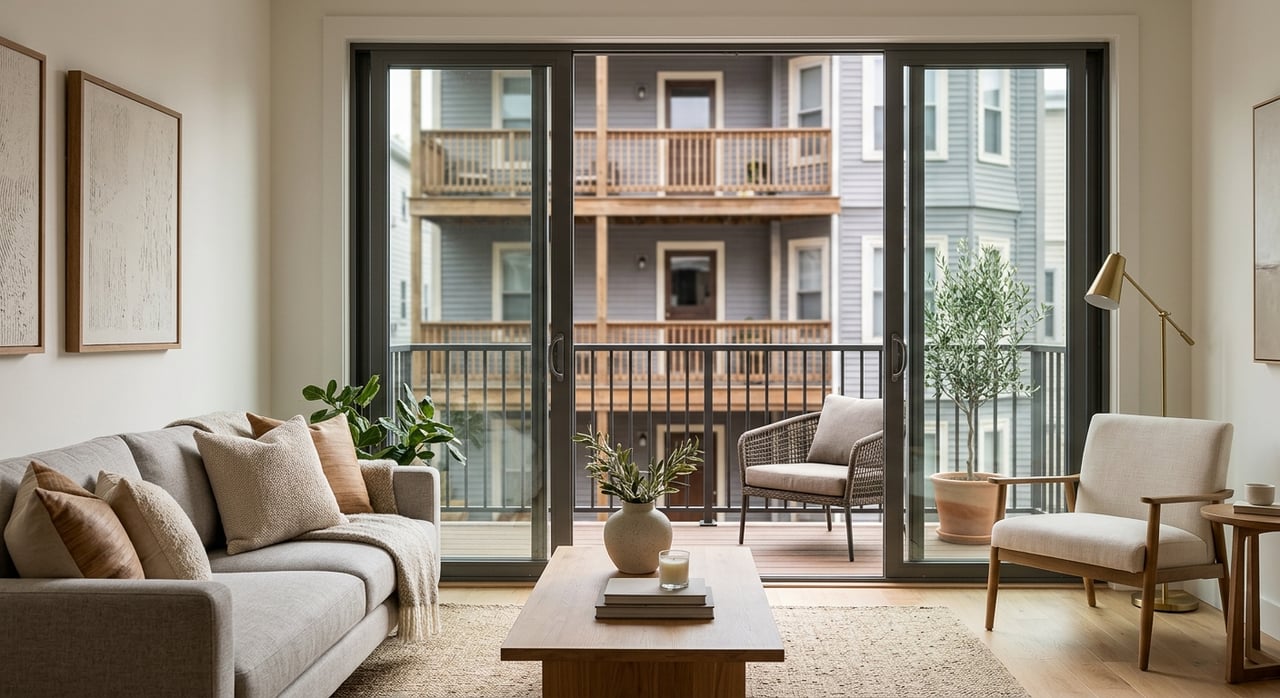
Trying to choose between a Dorchester condo and a triple-decker? You are not alone. For many buyers, these two options can look similar at first glance, but the ownership experience can feel very different once you dig into price, upkeep, and day-to-day responsibility. This guide will help you sort through the tradeoffs so you can make a more confident move in Dorchester. Let’s dive in.
Start With One Key Difference
In Dorchester, triple-decker and condo do not mean the same thing. A triple-decker is a building style that Boston planning materials describe as a three-story, wood-framed building with stacked units and a flat roof. Dorchester is well known for having many of them.
A condo, by contrast, is an ownership structure under Massachusetts law. When you buy a condo, you own your unit plus a shared interest in the common areas, and the property is governed by the master deed and bylaws. That means your first question should not be “Which style do I like better?” It should be “Am I buying one unit or the whole building?”
Why Title Structure Matters
This is where many buyers need clarity. A Dorchester triple-decker might be a condo-converted three-unit building, or it might be a whole multi-unit property with two to four units. Those are very different purchases.
If you buy a condo unit in a triple-decker, you will usually share costs and decisions with the other unit owners. If you buy the whole building, you take on building-level ownership responsibility yourself. That affects repair decisions, monthly expenses, and how hands-on your ownership experience will be.
Dorchester Condos: What Ownership Usually Looks Like
For many buyers, a condo offers a more predictable structure. Under Massachusetts condominium law, common expenses are assessed to unit owners according to the master deed, and the association must adopt a budget at least once a year.
That can make monthly ownership easier to plan for, especially if you want a simpler path into Dorchester. But a condo is not maintenance-free. You may still have common charges, and larger projects can lead to special assessments depending on the association’s needs and vote process.
What condo buyers should review
Before you buy a Dorchester condo, look closely at:
- The master deed
- The condo bylaws
- The current budget
- Monthly common expenses
- Any planned repairs or capital projects
- Whether outdoor space or storage is shared or limited common area
Those details shape your real ownership costs, not just the listing price.
Triple-Deckers: What Buyers Need to Know
Dorchester triple-deckers have deep roots in Boston housing. Historically, one unit was often owner-occupied while the other units were rented, and many buildings were later converted into separate condos.
If you are buying the whole triple-decker, you are stepping into a more hands-on role. You are not splitting building-level upkeep across unrelated condo owners in the same way you would in a condo association. That can appeal to buyers who want more control, but it also means more direct responsibility.
Triple-deckers often appeal to buyers who want
- More overall space
- A classic Boston building type
- Porch and yard potential
- Multi-unit flexibility
- The possibility of rental income
- Room for multi-generational living
That said, the right fit depends on whether you want that added responsibility along with the added flexibility.
Maintenance: Predictability Versus Control
One of the biggest differences between condos and triple-deckers is maintenance. With a condo, shared costs are handled through the unit owners’ association, and Massachusetts law allows certain limited common-area costs to be charged to the unit that benefits from that area.
That usually means a more structured system for budgeting and decision-making. You still need to understand the financial health of the association, but the framework is already in place.
With a whole-building triple-decker, you have more control over repairs and timing. You also carry more of the burden. If the roof, porches, exterior, or shared systems need work, those decisions and costs land much more directly on you.
Outdoor Space: Read the Documents Carefully
Buyers often assume the outdoor-space answer is simple: condos have less, triple-deckers have more. In Dorchester, it is a little more nuanced.
Massachusetts condo law defines common areas broadly and can include yards, gardens, parking areas, storage spaces, and basements. It also allows limited common areas, which can be reserved for one or more units instead of all owners.
So when you look at a condo, outdoor space is often document-driven. You need to confirm whether a porch, yard area, parking spot, or storage area is shared, deeded, or reserved for your use.
Triple-deckers, on the other hand, often have outdoor character built into the form of the property. Boston materials describe them as buildings with raised stoops and multi-tiered porches in the front or back yard. That often creates stronger porch-and-yard potential, though the actual use still depends on the lot, the deed, and whether the building is condoized.
Price Context in Dorchester
Price is often where the choice becomes clearer. Dorchester’s market is very competitive, with a recent median sale price of about $755,000 and homes selling in around 24 days.
Within that market, condos and multi-family properties sit in different price bands. Current Dorchester condo listings show a median listing price of about $590,000, while multi-family listings show a median listing price of about $1.25 million.
That gap matters. In many cases, a condo is the more accessible entry point for buyers who want to own in Dorchester without taking on the cost of a whole building. A full triple-decker purchase usually requires a much higher level of capital.
A useful pricing shortcut
Here is the simplest way to think about it:
- Condo usually means a lower entry price
- Whole triple-decker usually means a higher purchase price
- Condo-converted triple-decker unit may price more like other Dorchester condos than like a full multi-family building
This is why the property’s legal structure matters just as much as its look and layout.
Which Option Fits Your Goals?
The better choice depends on what you want your ownership experience to feel like.
If you want more predictable monthly costs, lighter maintenance, and a clearer shared-governance structure, a condo will often be the better fit. This can be especially appealing if you want a more turn-key path into the Dorchester market.
If you want more space, stronger porch-and-yard character, or a multi-unit setup that may support rental income or multi-generational use, a triple-decker may make more sense. Just be honest with yourself about the added upkeep and decision-making that can come with that.
Questions to Ask Before You Make an Offer
No matter which direction you are leaning, these questions can help you compare options more clearly:
- Am I buying one unit or the entire building?
- Who is responsible for major repairs?
- What are the monthly shared costs, if any?
- Are there any planned assessments or projects?
- Is the outdoor space shared, limited common, or private?
- How much hands-on ownership do I actually want?
- Does the purchase price match my comfort level for ongoing costs and upkeep?
These questions can save you from choosing a property that looks right on paper but feels wrong once you are living with it.
The Bottom Line for Dorchester Buyers
In Dorchester, the condo versus triple-decker decision is really about ownership structure, budget, and lifestyle fit. A condo often offers a cleaner, simpler ownership model with more predictable shared costs. A whole triple-decker can offer more space, more flexibility, and more classic Boston character, but it usually comes with a higher price tag and a more active ownership role.
The smartest next step is to compare not just the homes themselves, but also the documents, responsibilities, and long-term costs behind them. If you want help sorting through Dorchester condos, condo-converted triple-deckers, or whole multi-unit opportunities, reach out to Joyce Lebedew for a personalized, hands-on buying strategy.
FAQs
What is the difference between a Dorchester condo and a Dorchester triple-decker?
- A condo is an ownership structure for an individual unit plus shared common areas, while a triple-decker is a three-story building type that may be owned as separate condo units or as one whole multi-unit property.
Are Dorchester condos usually easier to manage than triple-deckers?
- Usually, yes. Condos often have a more predictable shared-cost structure through an association, while owning a whole triple-decker generally requires more direct building management and upkeep.
Do Dorchester triple-deckers always cost more than condos?
- Whole triple-decker purchases usually cost more than condos in Dorchester, based on current market listing medians, but a condo unit inside a condo-converted triple-decker may be priced closer to other condos.
Can a Dorchester condo include yard or porch space?
- Yes. A condo may include shared or limited common outdoor space, but you need to confirm the exact rights in the master deed, bylaws, and unit documents.
Are Dorchester triple-deckers better for buyers who want rental income potential?
- They often appeal to buyers who want multi-unit flexibility and the possibility of rental income, especially when the purchase involves the whole building rather than a single condo unit.
What should buyers review before purchasing a Dorchester condo in a triple-decker?
- Review whether the property is condo-converted, how common expenses are handled, what the bylaws say, and whether porches, storage, parking, or yard space are shared or reserved for your unit.
