Wondering what it would actually feel like to spend a weekend in Dorchester before you buy, rent, or sell there? That is a smart question, because Dorchester is not a one-note neighborhood. It is a collection of distinct areas with different business districts, housing styles, parks, and waterfront spaces. This quick preview will help you picture the pace of daily life, the kinds of places you might return to every week, and how the neighborhood’s layout can shape your home search. Let’s dive in.
Dorchester feels bigger than one neighborhood
Dorchester is Boston’s largest neighborhood, with a 9.46-mile waterfront and a long history that dates back to 1630 before its annexation by Boston in 1870. City planning materials describe it as a place with residential streets, commercial corridors, and a university campus, all within one broad neighborhood frame.
That scale matters when you are deciding whether Dorchester fits your lifestyle. Areas like Codman Square, Jones Hill, Meeting House Hill, Pope’s Hill, Savin Hill, Harbor Point, Lower Mills, and Port Norfolk each add a slightly different feel. In practice, Dorchester often lives more like a cluster of micro-neighborhoods than one single destination.
Dorchester Avenue is the main artery, and city materials note that it is energized by immigrant-owned businesses and tied to key commercial anchors like Fields Corner, Ashmont Station, Adams Village, and Morrissey Boulevard. If you like neighborhoods where daily errands, casual meals, and local businesses are part of your routine, that is a meaningful part of the Dorchester experience.
Start your Saturday with coffee
A good weekend preview starts where many real routines start: coffee. Dorchester gives you several distinct options, and each one hints at a different pocket of neighborhood life.
Lower Mills coffee stop
Lower Mills works well as a Saturday-morning starting point. Flat Black Coffee opened its first retail store there in 2003, and home.stead bakery & cafe is also located on Dorchester Avenue. If you enjoy a neighborhood rhythm that mixes local shops with a more tucked-in residential feel, this area is worth seeing early in the day.
Ashmont and Peabody Square pause
Ashmont offers another easy café stop, with Ripple Cafe on Dorchester Avenue. This part of Dorchester can be a useful place to pause and look around if you want to get a feel for how commercial activity and nearby housing sit close together.
Quick options on Morrissey and Gallivan
If your weekends tend to start with a simpler grab-and-go routine, Dorchester has that too. Milkweed on Morrissey Boulevard and PS Gourmet Coffee on Gallivan Boulevard add more options depending on the route you want to explore.
Explore Dorchester by business district
One of the best ways to understand Dorchester is to neighborhood-hop instead of trying to treat it like one main street. The business districts help tell the story.
Fields Corner for errands and lunch
Fields Corner Main Streets describes Fields Corner as one of Boston’s largest urban neighborhood business districts, with more than 200 shops, services, and restaurants. The district reflects a notably diverse mix of Vietnamese, African-American, Cape Verdean, Irish, and Latino businesses and residents.
City materials also identify Fields Corner as the heart of Boston’s Vietnamese community. Along this stretch of Dorchester Avenue, you will find restaurants, pharmacies, local small businesses, and specialty stores. For someone trying to picture daily life, that can mean a neighborhood where everyday convenience and cultural variety are built into the street scene.
Adams Village for a later stop
Adams Village is a good place to continue the day into brunch, dinner, or an evening out. Landmark Public House describes itself as a neighborhood restaurant in Dorchester, owned and operated by Dorchester natives and designed as a gathering place for Adams Village.
That local identity matters when you are evaluating a neighborhood’s feel. It suggests the kind of district where independent businesses help shape the atmosphere, rather than a setting dominated by one uniform retail pattern.
Make time for parks and waterfront
If you are touring Dorchester, do not limit yourself to streets and storefronts. The parks, beaches, and waterfront areas are a major part of the lifestyle picture.
Franklin Park adds major green space
Boston describes Franklin Park as the crown jewel of the Emerald Necklace, with more than 527 acres of green space, plus a zoo and a public golf course. For buyers and renters who want access to large-scale outdoor space without leaving the city, that is a major asset.
Pope John Paul II Park supports active weekends
Pope John Paul II Park offers walking and bike paths, athletic fields, picnic areas, and views of Boston Harbor and the Neponset River. If your ideal weekend includes movement, open views, and a little breathing room, this park is a useful stop to add to your route.
Waterfront spots change the feel
Dorchester’s shoreline gives the neighborhood another layer. Ronan Park, on Meeting House Hill, is an 11.24-acre park with sweeping views of Dorchester Bay, and the City is planning a renovation expected in 2026.
Tenean Beach offers swimming, a playground, tennis and basketball courts, parking, and sunrise-to-sunset access. Savin Hill and Malibu Beach make it easy to imagine a beach day without leaving Boston, and Malibu Beach includes an accessible bathhouse and boardwalk.
The waterfront is also an area where the City is actively investing in resilience. The Dorchester Resilient Waterfront Project at Tenean Beach and Conley Street is intended to preserve and enhance waterfront access and recreation while also reducing flood risk. That creates a balanced picture: waterfront living is a real lifestyle benefit, and it is also an area of active long-term planning.
What a weekend here says about housing
A neighborhood tour is not just about where you get coffee or take a walk. It also helps you understand what kinds of homes may match the way you want to live.
Boston Planning Department data show that Dorchester had 49,565 housing units in 2025. Of those, 56.9% were renter occupied and 38.4% were owner occupied, which points to a mixed-tenure neighborhood rather than one that leans entirely toward renting or ownership.
Triple-deckers still define Dorchester
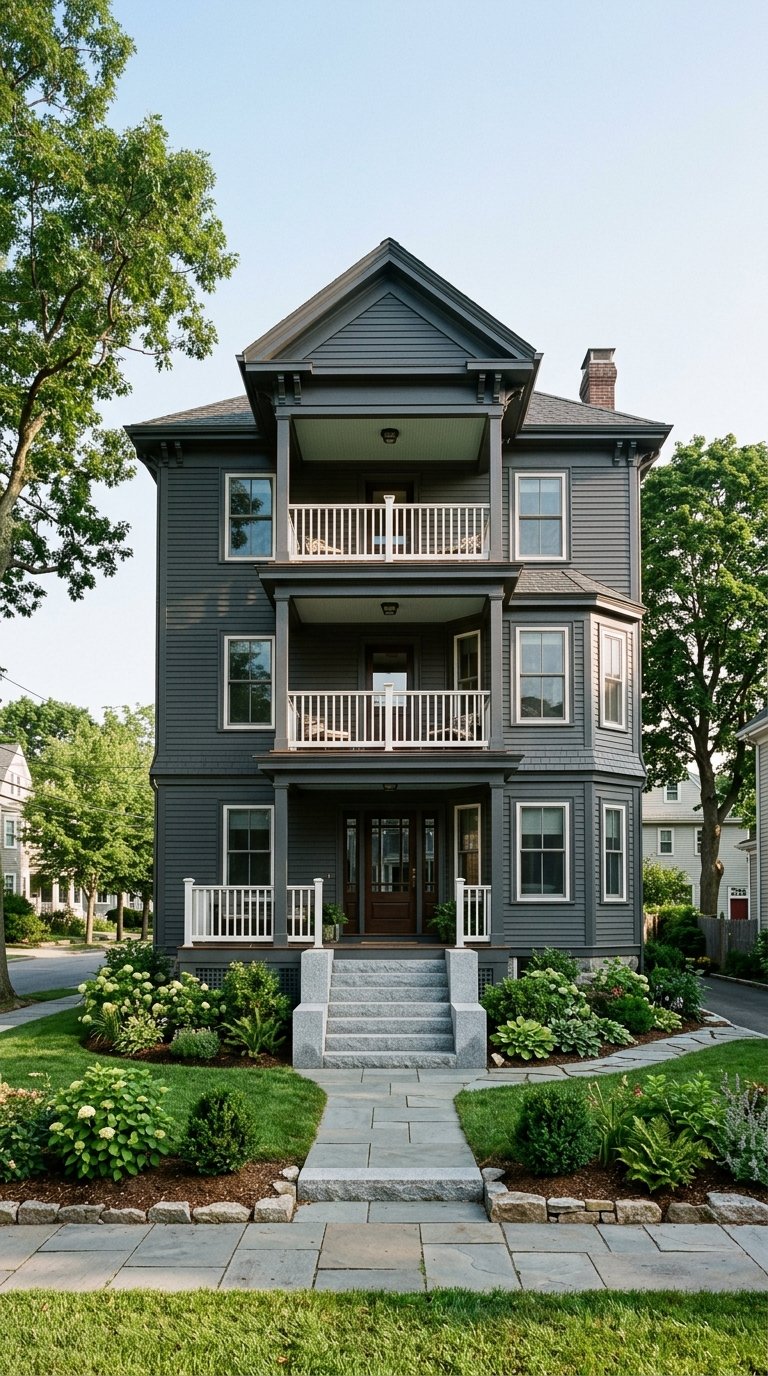
Triple-deckers are one of Dorchester’s signature housing forms. City materials note that triple-decker housing remains the predominant type in some Dorchester subdistricts, and the Dorchester Neighborhood Design Overlay District is intended to protect the historic character, scale, and pedestrian environment of these areas.
If you are drawn to classic Boston housing with porches and a more established residential street pattern, this is a core part of Dorchester’s appeal. It is one of the reasons block-to-block character can feel so distinct here.
Condos and newer options expand the mix
Dorchester also includes condos and newer homeownership opportunities. A City housing notice for 405 Washington Street advertised 13 condominium units, and the Harvard and Standish Homes project includes mixed-income homeownership opportunities with neighborhood retail near public transit and local businesses.
That matters if you want lower-maintenance ownership or a home closer to active commercial corridors. In a neighborhood this large, newer ownership options can sit alongside older housing forms without feeling out of place.
Townhouse-style homes are part of today’s market
Townhouse-style housing also plays a role in Dorchester’s current mix. The City describes Norwell Townhouses as two townhouse-style buildings containing four two-family affordable for-sale homes, located next to the Talbot Avenue train station.
For some buyers, that type of layout can offer a more compact footprint and a newer-construction feel. If you are comparing condos, triple-deckers, and townhouses, Dorchester gives you a wider range of choices than many buyers expect.
How to preview Dorchester like a local
If you want a simple way to experience the neighborhood, build your own weekend route around a few different nodes. This gives you a more realistic feel for daily life than driving one street and heading home.
A sample Saturday route
- Start with coffee in Lower Mills or Ashmont
- Spend time in Fields Corner for lunch, errands, and street-level neighborhood context
- Add a park or waterfront stop like Pope John Paul II Park, Ronan Park, Tenean Beach, or Savin Hill and Malibu Beach
- End in Adams Village for a meal or evening stop
This kind of route shows how Dorchester shifts from one pocket to another. You can test whether you prefer a quieter residential feel, a stronger commercial corridor, easier waterfront access, or a home base near green space.
Why this matters if you are moving or selling
For buyers and renters, a weekend preview helps you narrow your search based on real lifestyle patterns, not just listing photos. You may discover that one part of Dorchester feels more connected to your daily routine, whether that means beach access, local business districts, or a specific housing type.
For sellers and owners, this same variety is part of Dorchester’s strength. The neighborhood can appeal to people looking for classic multifamily housing, condos near active corridors, or townhouse-style options with a newer feel. Positioning a property clearly within that lifestyle map is often what helps it stand out.
Dorchester rewards a more careful look. The more you experience its micro-neighborhoods in person, the easier it becomes to understand where you fit and how to present a home in a way that speaks to the right buyer or renter.
If you are thinking about buying, selling, renting, or investing in Dorchester, working with a boutique team that understands how lifestyle and housing fit together can make the process much smoother. Joyce Lebedew brings a hands-on, neighborhood-first approach to helping clients navigate Boston real estate with clarity and confidence.
FAQs
What is Dorchester like for a weekend visit?
- Dorchester works well as a neighborhood-hop destination, with coffee shops, business districts, parks, and waterfront areas spread across several distinct micro-neighborhoods.
What are some popular Dorchester business districts to explore?
- Fields Corner, Ashmont, Lower Mills, Adams Village, Morrissey Boulevard, and Gallivan Boulevard each offer different local businesses and a different feel.
What parks and beaches can you visit in Dorchester?
- Franklin Park, Pope John Paul II Park, Ronan Park, Tenean Beach, Savin Hill, and Malibu Beach are all notable outdoor destinations in Dorchester.
What types of homes are common in Dorchester?
- Dorchester is known for triple-deckers, and it also includes condos, multifamily housing, and townhouse-style homes.
Is Dorchester mostly a rental neighborhood or an ownership neighborhood?
- Boston Planning Department data show Dorchester is mixed-tenure, with both renter-occupied and owner-occupied housing making up a significant share of the neighborhood’s housing stock.
